Online workshop4 classes

Do You Have a Chocolate Taster's Palate?

Find out, then train it. Learn to evaluate cacao and chocolate with a professional method: the skill a master chocolatier relies on to decide which cacao to buy, how to formulate and when a product is ready.

  • The screening test used to select professional tasters
  • 2 complete hands-on exercises, step by step
  • Downloadable templates and worksheets
  • Instant access, never expires

Sound familiar?

All of these questions share the same root

  • When buying cacao

    Is this supplier selling me good cacao, or just a good story?

  • During processing

    Why did my chocolate come out bitter when my cacao wasn't?

  • When tasting your chocolate

    Where is that aftertaste coming from?

  • When formulating

    Which sweeteners actually work in a no-added-sugar chocolate?

  • When switching suppliers

    Why doesn't this couverture behave like the last one, when both are 70% cacao?

  • Before launching

    Is my product ready for market, or do I just think it is?

You can chase each answer separately in books, forums and videos. Or you can train the one skill they all come from: a palate that knows what it's looking for. Professionals call it sensory analysis. And contrary to what most people believe, nobody is born with it: it's trained.

More than

More than 90% of cacao quality is sensory

The supplier's spec sheet tells you the fermentation percentage. The scale tells you the weight. But no piece of paper tells you whether that cacao has potential, whether your formula needs adjusting, or whether your chocolate has a defect your customers will notice. There are defects a lab can't detect but a trained palate can.

That's why sensory analysis runs through the whole chocolate process: buying the beans, processing, formulating and the final validation. It's the thread that holds the craft together. Those who train it decide with information others don't have. Those who don't are working blind, fingers crossed.

The workshop

Do You Have a Chocolate Taster's Palate?

Four no-nonsense classes to answer the question and, above all, to train the palate behind the answer. Because this isn't a pass-or-fail test: it's where every taster starts. You'll know where your palate stands today, how to train it with the same method professionals use, and how to use it for the decisions you currently make by intuition.

Each class leaves you with something real you can apply in your home kitchen, production kitchen or factory, with equipment you already own or that costs very little.

  • 4 classes, over 2 hours in total
  • 2 complete hands-on exercises, step by step
  • Downloadable templates, worksheets and tables
  • Instant access, never expires, at your own pace
  • In English

The path

From tasting by intuition to deciding like a taster

  1. Class 131 min

    The skill that matters most

    Why a trained palate is the skill that runs through every stage of chocolate making, and how it changes the way you work from day one. You'll understand where chocolate's flavors really come from (what happens during fermentation and drying explains what you later taste in the mouth), why a chocolate can taste of mint with no mint in it, and what it's telling you when that happens.

  2. Class 235 min

    The taster's test

    The heart of the workshop. You'll learn the language of cacao (the attributes that raise its value, the defects that give it away, and what went wrong at origin when they show up), and you'll set up, step by step, the basic taste test used to screen professional tasters: blind, coded, and at the concentrations set by the international standard. When you finish it, you'll have the answer to the question this workshop asks. Fair warning: many people are in for a surprise. And whatever your result, you'll know exactly how to train your palate.

  3. Class 337 min

    The palate that buys

    The 10-minute evaluation to gauge a cacao's potential before you pay for it: no panel of tasters required, just two appliances you probably already have in your kitchen. Plus: how to source good raw material when you don't have access to beans (and the most common mistake when buying cacao liquor and cocoa butter), and the 4-step methodology for developing products built to last in the market.

  4. Class 436 min

    The judgment that formulates

    How sensory judgment guides formulation: why two “70% cacao” chocolates may not be interchangeable, and what to check before swapping one for the other. The uncomfortable truth about supermarket “sugar-free” chocolate, and a combination of 3 sweeteners, with starting ratios, that works very well on the palate. The class closes with a real case: how we validated the relaunch of one of our best-selling bonbons with hundreds of consumers.

The two hands-on exercises

You don't leave with notes. You leave with two working methods.

Classes 1 and 4 build your judgment. These two put it in your hands.

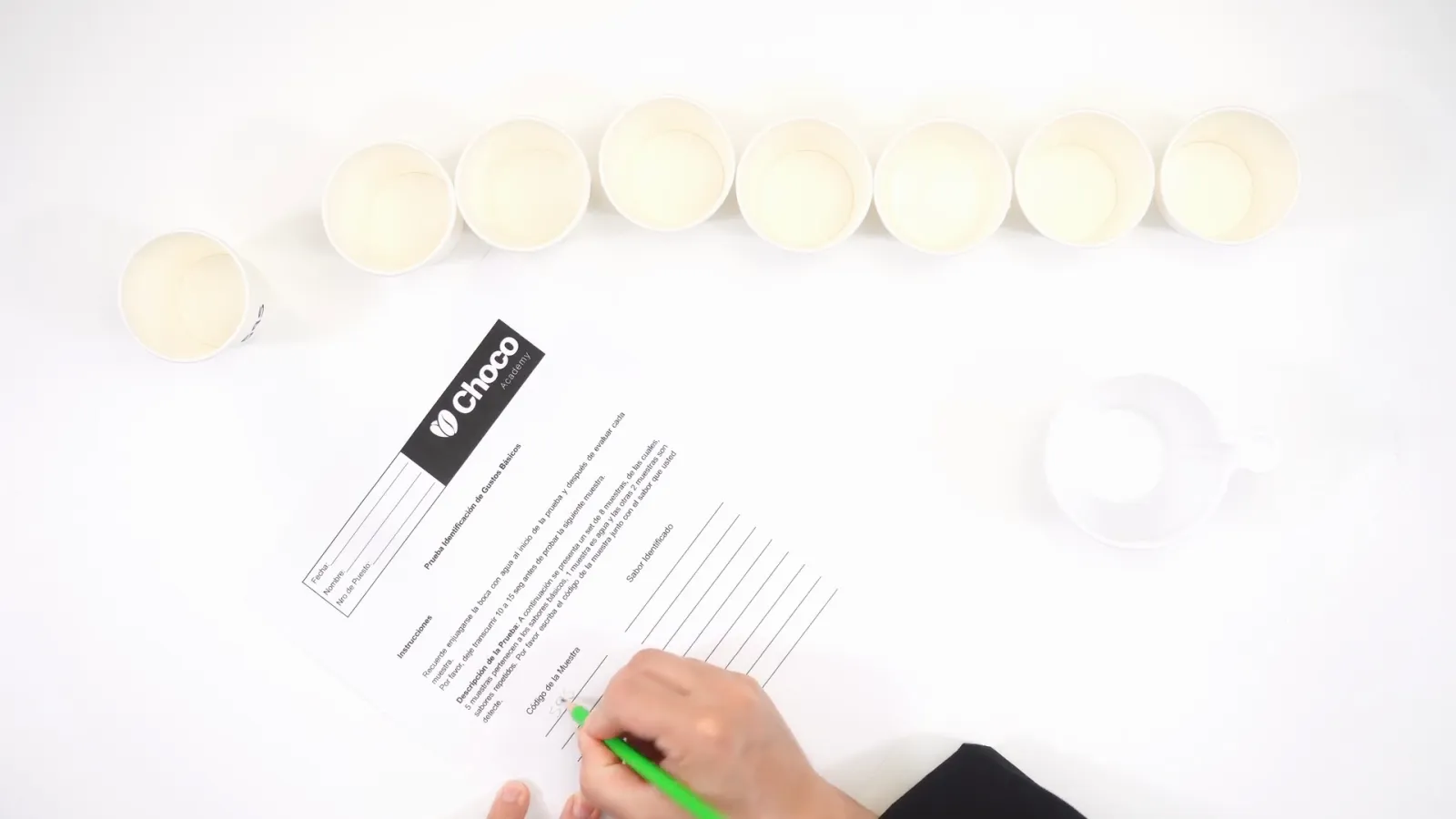
A row of eight identical cups and the basic taste test scoring sheet, seen from above

Exercise 1 · Class 2

The taster's test

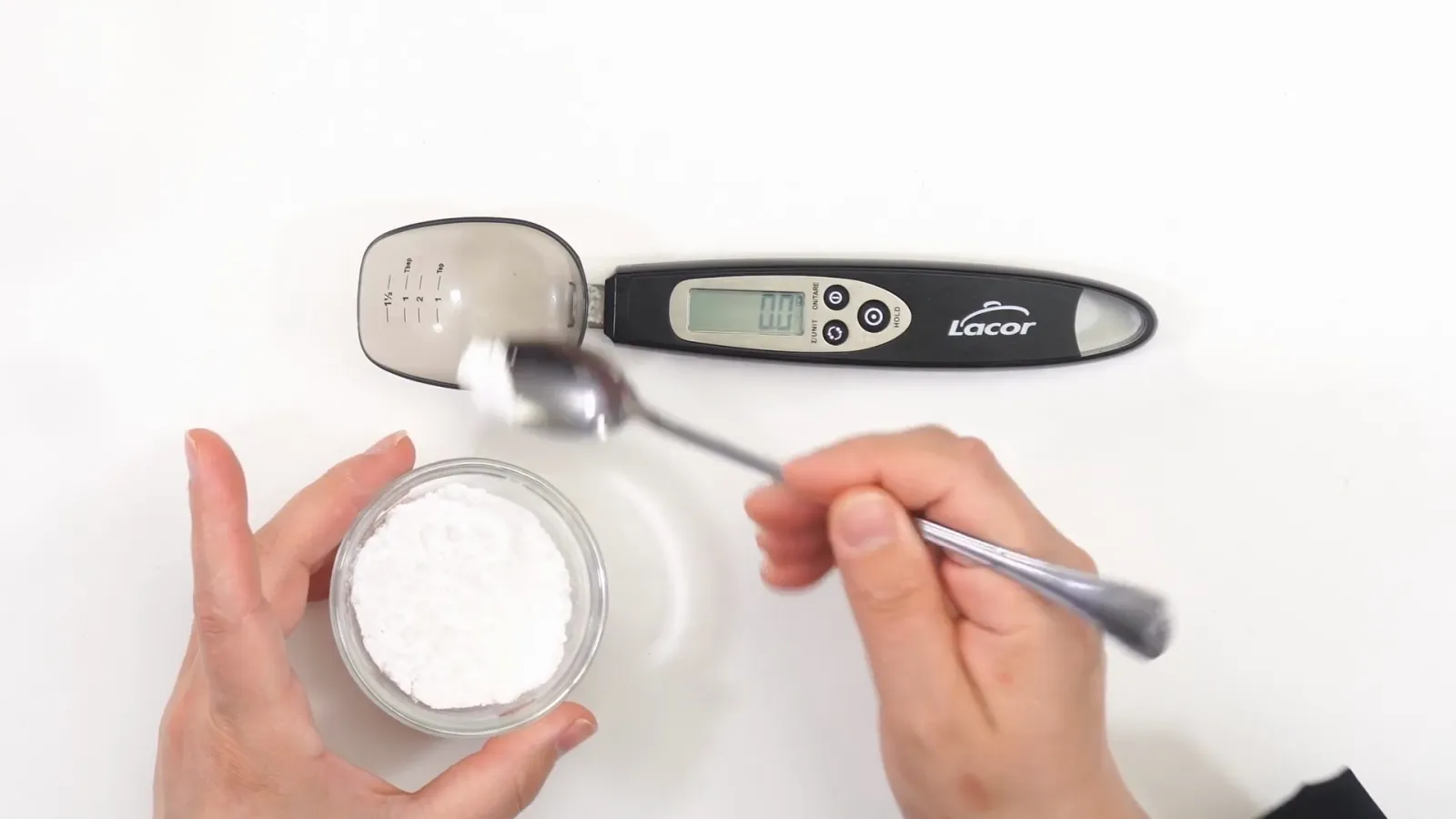
The same basic taste test the industry uses to screen panelists, adapted so you can set it up at home: a scale, five substances, blind codes and the exact concentrations of the international standard. Includes the concentration table, the scoring sheet and the code generator.

  • Bitter
  • Sour
  • Salty
  • Sweet
  • Umami

Exercise 2 · Class 3

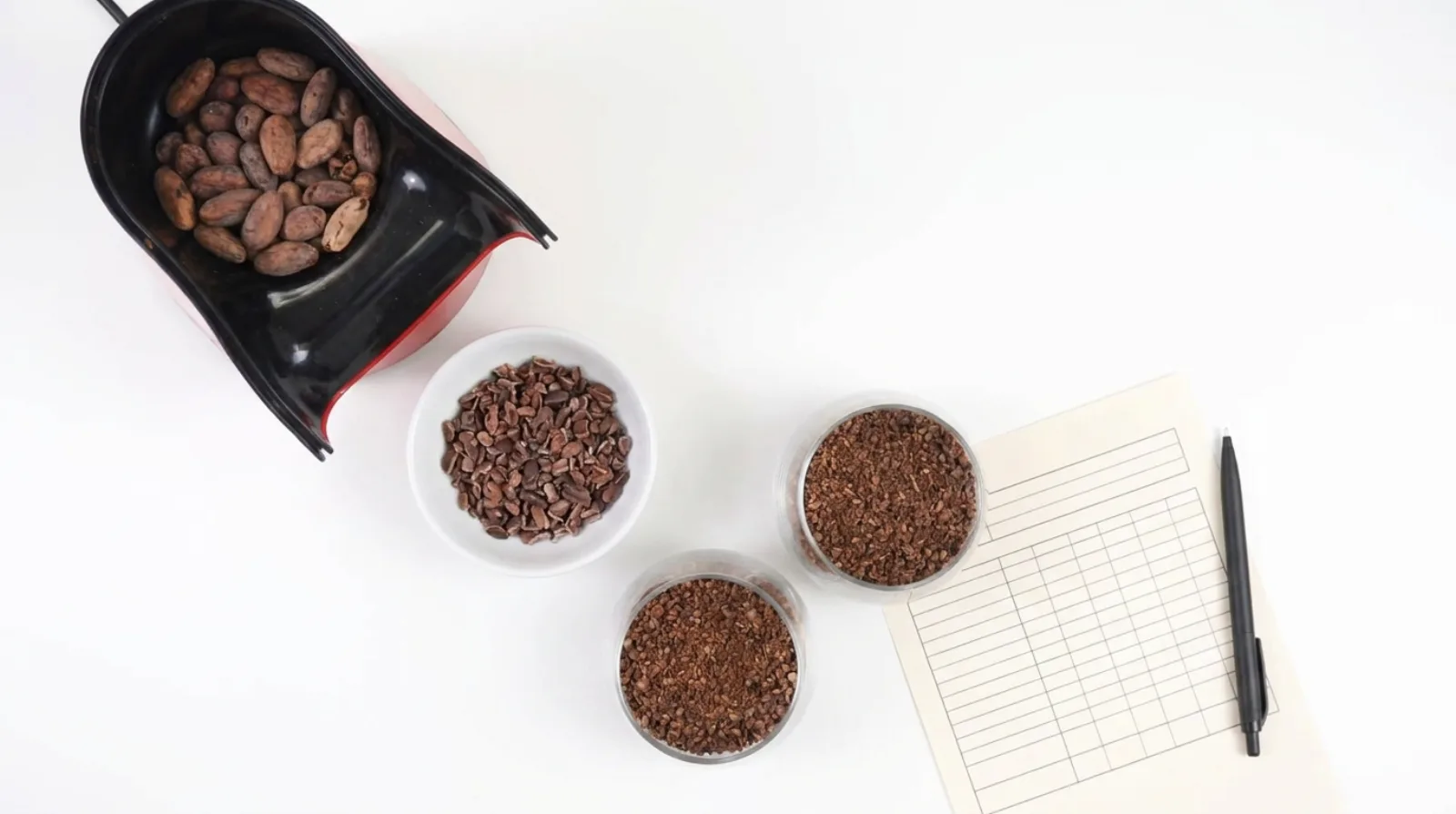
Evaluate a cacao in 10 minutes

Before you pay for a sack, you'll know how to read it: main descriptors, defects that point to problems at origin, and a clear buying decision. No panel, no lab.

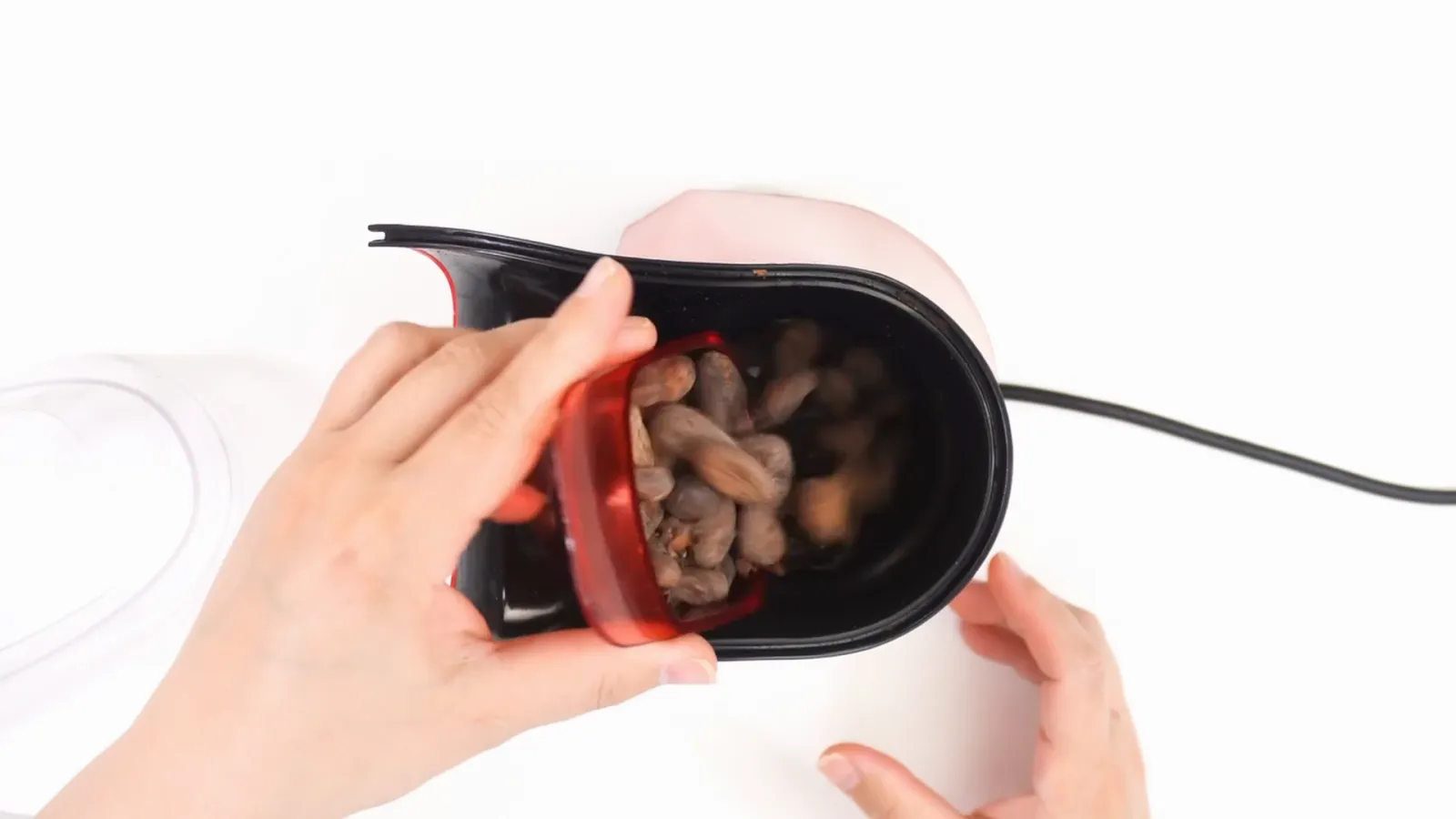
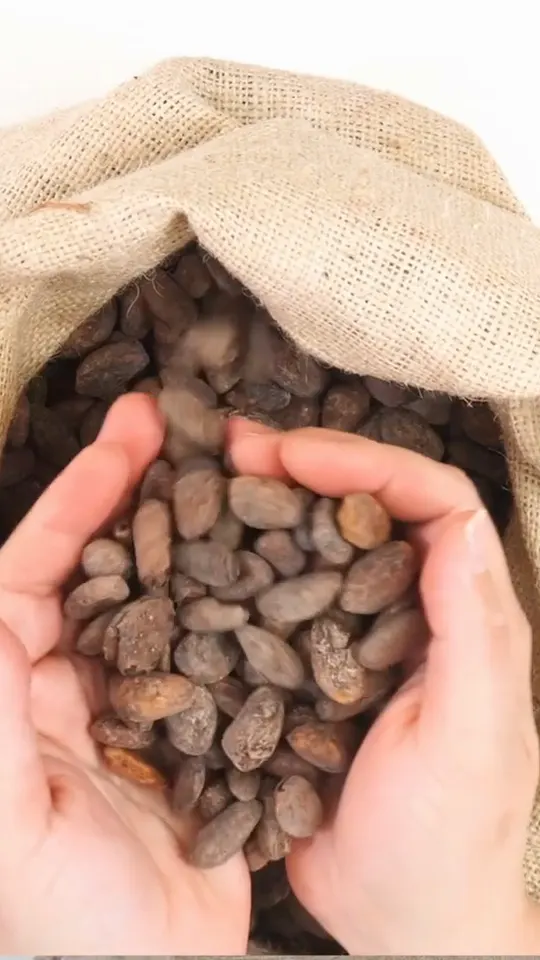
Raw cacao beans inside a popcorn machine, seen from above
The exercise sequence seen from above: beans in the popcorn machine, nibs, ground cacao in two glasses, and the scoring sheet
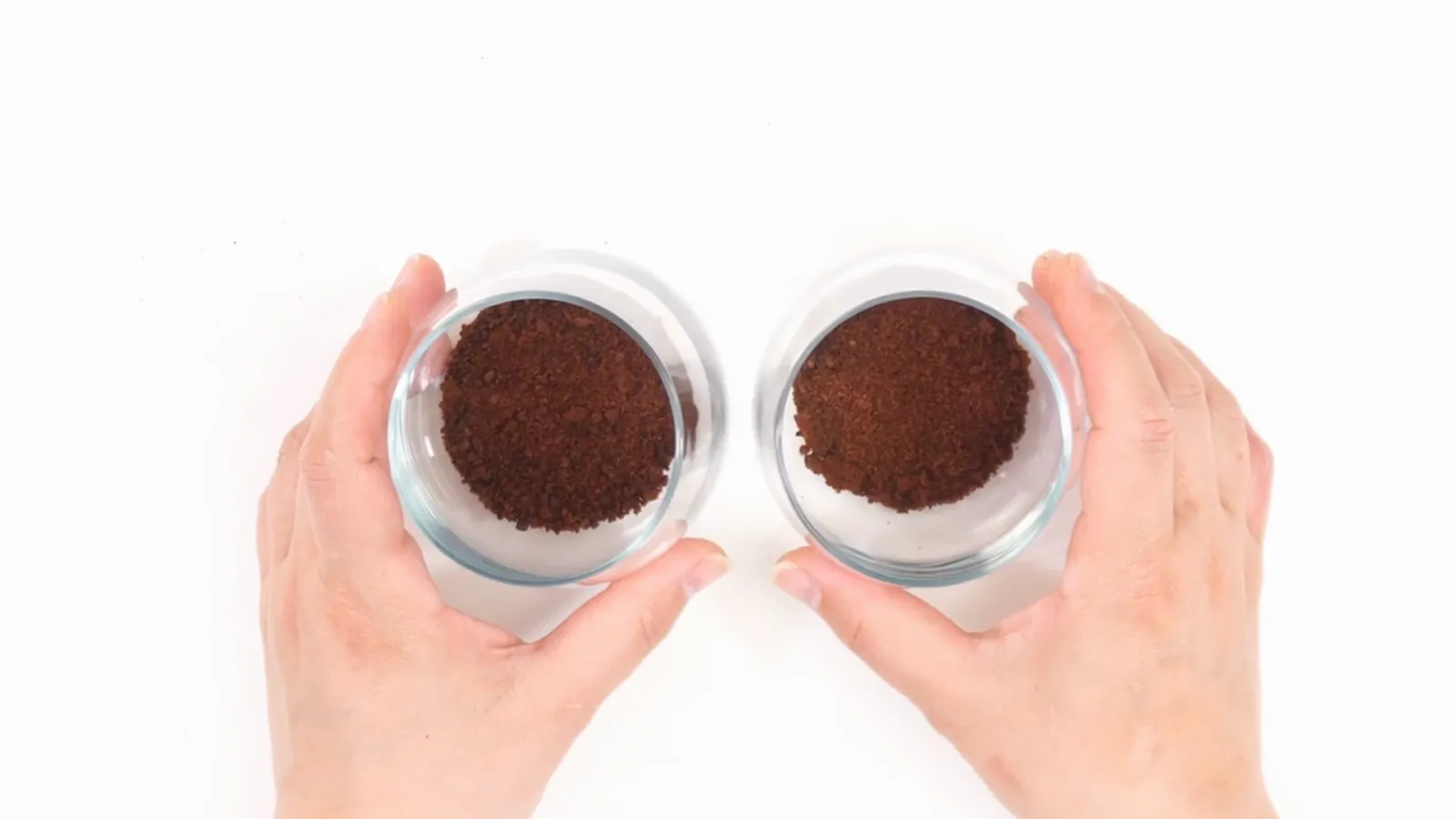
Two glasses of ground cacao, one per sample, ready to evaluate

All of this stays with you

  • The complete basic taste test

    Method, international-standard concentration table and scoring sheet, as PDFs.

  • The code generator for blind tastings

    And why you should never label samples with letters or sequences.

  • The 10-minute evaluation

    To gauge a cacao before you buy it, with its evaluation form.

  • Cacao's attribute families and defects

    What each flavor means, and what to decide when it shows up.

  • A 3-sweetener combination

    With starting ratios, for no-added-sugar chocolate that works on the palate.

  • The 4-step methodology

    To develop and validate products before you launch them.

This workshop is for you if...

  • You work with chocolate (as a chocolatier, pastry chef or baker) and want to stop relying on intuition and other people's recipes.
  • You want to get into bean-to-bar and would rather build your judgment before burning money on cacao and test batches.
  • You buy cacao or couverture and suspect you're not always getting what you were told.
  • You run a production kitchen or a brand and want to validate your products with a method before launching them.

It's not for you if you're looking for recipes to copy and paste. This trains the judgment to write your own.

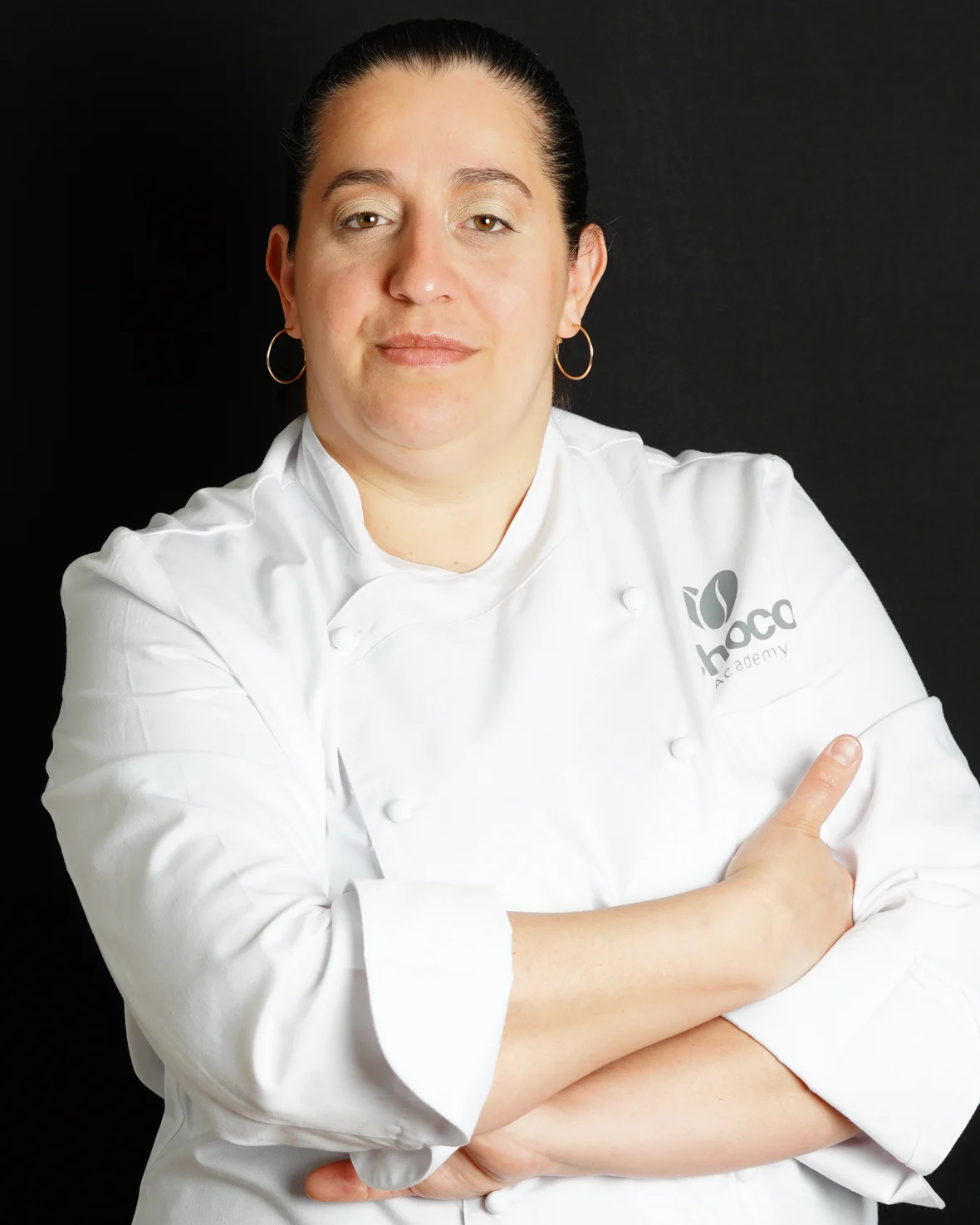
Sonia Da Cruz, workshop instructor, wearing a chocolatier's jacket
Sonia Da CruzFounder, ChocoAcademy

Meet your instructor

I learned to decide with my palate, not my gut. Now I'll show you how.

I'm Sonia Da Cruz: an electronics engineer by training, a chocolatier at heart. I grew up among ovens and molds in my parents' pastry shop, and I ran a chocolate factory for six years, getting my products into more than 500 retail outlets. Today I share that knowledge with chocolate makers in more than 50 countries, combining technical rigor with real factory experience.

The skill that changed the way I understand cacao is the first one I look for in anyone who wants to work seriously with chocolate. It's the one we train in this workshop.

The only way to build sound judgment for developing chocolate is with data, and sensory analysis is what gives you that data.

Find out today what your palate can do

Train Your Tasting Palate

Sensory analysis of cacao and chocolate

  • 4 classes with complete hands-on exercises + downloadable templates
  • Instant access, never expires
  • Online, at your own pace, in English
17€One-time payment

Less than a kilo of good cacao. And it pays off on every kilo you buy after this one.

Join the workshop

Secure payment via Stripe. Your access arrives by email within minutes.

  • One-time payment, no subscription
  • Access by email within minutes
  • Taxes included

Frequently asked questions

Whenever you want. You pay, receive your access by email, and can start class 1 today. You go at your own pace and your access never expires.

That's exactly the misconception this workshop takes apart: a taster's palate is trained like a muscle. The test in class 2 tells you where you stand today, and the workshop itself gives you the method to train it. Nobody “fails”: everyone leaves knowing their starting point and how to improve from there.

No. If you already work with chocolate you'll get value from class 1 onward, and if you're just starting out, this is the right order: judgment first, recipes second.

Things you probably already have or that cost very little: a small precision scale, cups and, for the bean exercise, two of the most ordinary kitchen appliances (you'll see them in class 3, and they'll surprise you). Materials and quantities are detailed in the downloadable worksheets.

Only for the exercise in class 3, and a small sample is enough (30 to 50 beans). If you don't have access to beans, that same class explains how to source good raw material anyway, and the exercise will be waiting for whenever you need it.

No. This workshop trains the skill everything else rests on. Full manufacturing processes, machinery and production are covered in other courses.

In English. Every class has full English audio, and the templates, worksheets and tables are in English too. If you'd rather hear Sonia's original Spanish with English subtitles, that's one click in the player.

Join the workshop · 17€

One-time payment · instant access · never expires

Your palate already picks up everything you need. All that's left is to train it.

The question isn't whether you have a taster's palate. It's how much longer you'll keep deciding without one: which cacao you buy, how you formulate, when a product is ready. In 4 classes you'll have the professionals' method up and running in your kitchen.

ChocoAcademy

Professional technical training for chocolate makers and chocolatiers.

© 2026 ChocoAcademy. All rights reserved.